
Conversion
Cart and checkout work for Shopify and Shopify Plus — every field, surprise cost, and extra step between wanting it and paying for it, including checkout extensibility on Plus.
+44% conversion after a checkout rebuildCheckout work for Luma, Days, TYR and quip8+ years
The problem
Someone who reaches your checkout has done every hard thing you asked: found you, chosen a product, and committed to spending money. Losing them at that point is the most expensive kind of loss there is, because you paid for every step that got them there.
And the causes are rarely dramatic. A shipping cost that appears at the final step. One more form field than necessary. A slow load between pages on a phone in a queue. None of it changes whether the product is right — it just gives an already-committed buyer a reason to pause, and pausing is usually leaving.
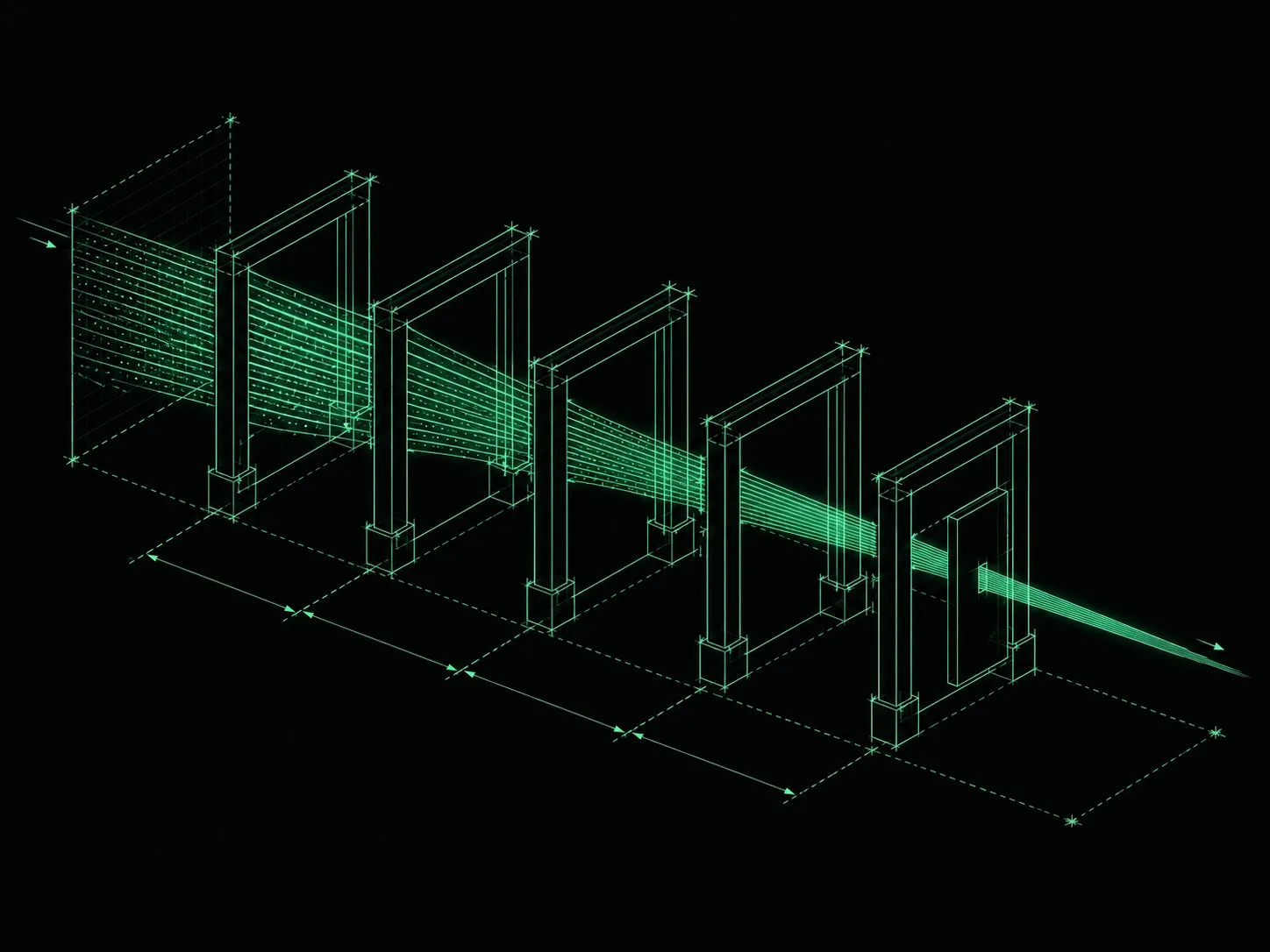
What the work involves
Cart and checkout are one continuous decision for the buyer, even though they’re separate systems for you.

Food & Beverage
An alcohol-free beer brand losing decided buyers between the product page and confirmation — most of them on mobile, where the path had been built for a patient desktop visitor.
Where this sits
This service isn’t sold on its own — it’s scoped into a program from your roadmap, at a fixed price agreed before anything starts.
Related services
FAQ
On Shopify Plus, considerably — checkout extensibility allows real customisation of the checkout experience. On standard Shopify the checkout itself is largely fixed, so the work concentrates on everything leading into it, which is usually where the bigger losses are anyway.
No, and this is one of the most common disagreements we have with brands. Revealing cost late doesn’t prevent the objection, it just moves it to the most expensive possible moment and adds a feeling of being misled. Surfacing it earlier consistently costs fewer orders.
Placed badly, yes — an interruption at the moment of commitment is a reason to reconsider. Placed well, they raise order value without touching conversion. The difference is timing and relevance, which is why each one gets tested individually.
Faster than almost anything else we do. Checkout has high intent and high volume relative to the rest of the funnel, so changes there produce readable data quickly — often within a fortnight.
It changes where we look, not how we work. Subscription and bundle apps often introduce their own friction and load cost in the checkout path, and that’s part of what gets reviewed.