
Build
Custom themes, bundle builders, product configurators, and the technical work behind a store that has to handle a real catalogue, real traffic, and a team that needs to ship without a developer.
Custom builds for Bio&Me, Hippeas, CleanCo and SunnamuskShopify 2.0 and Plus8+ years
The problem
Most stores start on a purchased theme, and that’s usually the right call. The problems arrive later: the catalogue outgrows the navigation, a bundle or subscription offer doesn’t fit the template, every merchandising change needs a developer, and the site slowly accumulates apps to do things the theme should have done natively.
At that point brands often reach for a redesign, which fixes the appearance and none of the constraints. The useful question isn’t how the store looks — it’s what your team can change without asking anyone, and what the platform will still allow you to do in two years.

What the work involves
Scoped to what your store genuinely needs — a bespoke build is not automatically the right answer, and we’ll say so.
Food & Beverage
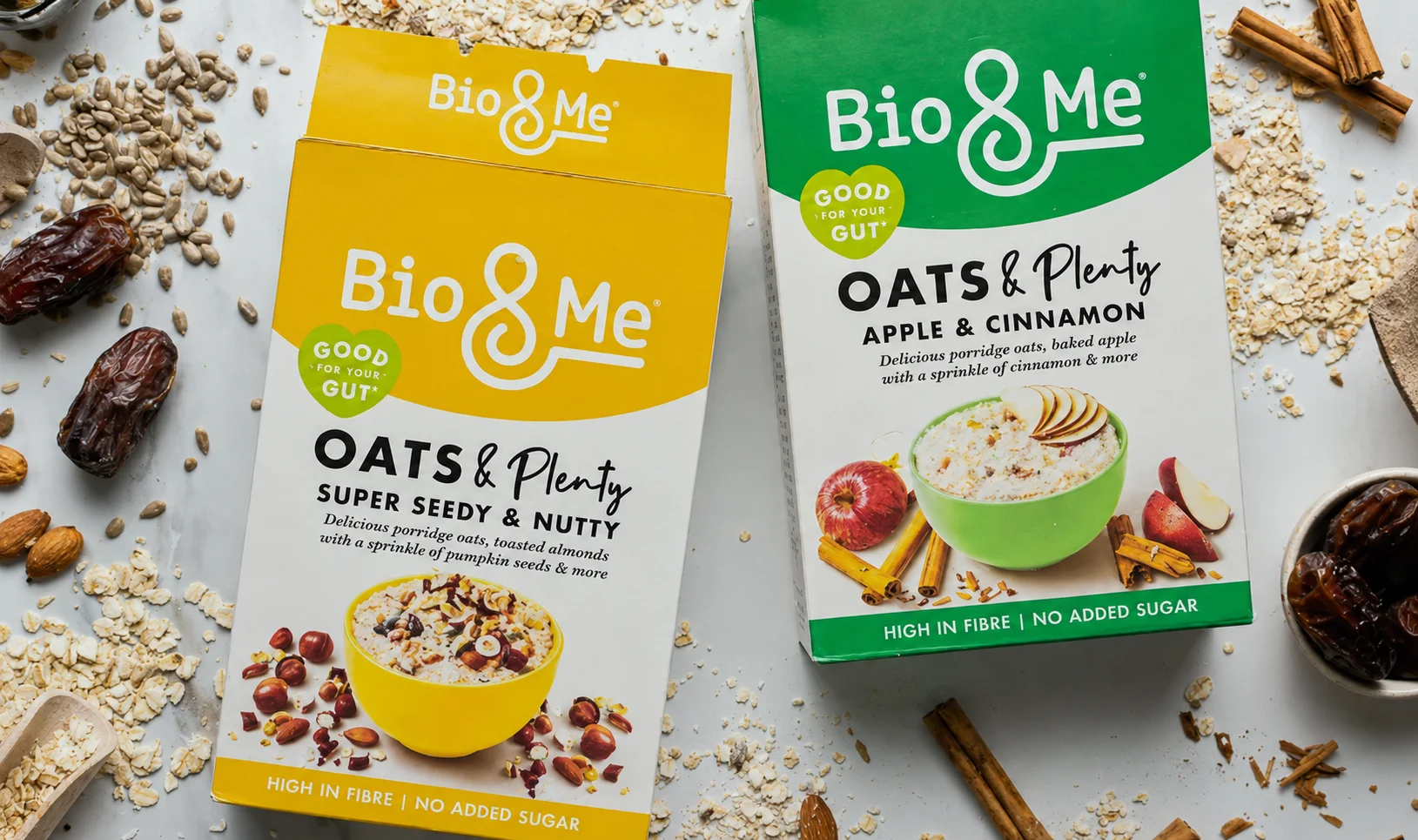
A gut-health brand needing a fully bespoke store with subscriptions, a bundle builder, and a guided product quiz — built without pre-made templates so the functionality fit the offer rather than the other way round.
Where this sits
This service isn’t sold on its own — it’s scoped into a program from your roadmap, at a fixed price agreed before anything starts.
Related services
FAQ
Often not, and we’ll tell you when a good theme with targeted customisation gets you the same outcome for far less. A bespoke build earns its cost when your offer or catalogue genuinely doesn’t fit any template — bundle builders, configurators, and complex B2B are the usual reasons.
Usually yes, and it’s frequently the better call. Theme migration to a more flexible base is also common where the current one is the constraint — that’s a middle path between patching and rebuilding.
For new functionality, yes. For content, campaigns, merchandising, and layout changes, that’s exactly what we build to eliminate — reducing developer dependency is usually the main reason brands commission this work.
Often, and it’s worth checking. Apps are quick to add and quietly expensive — in monthly cost and in page weight. Building a function natively sometimes pays for itself in subscriptions alone, before counting the speed gain.
Yes, always for new builds. Metaobjects, flexible sections, and app blocks are what let your team manage the store without a developer, which is the point.