
Platform
Public and private apps on the Shopify API — checkout integration, real-time data synchronisation, and ongoing maintenance as the platform changes underneath you.
Two public apps shipped to the Shopify App StoreAPI, GraphQL, webhooks8+ years
The problem
Most Shopify apps aren’t hard to build once. They’re hard to keep working — across every theme a merchant might install it on, every plan tier, every region, and every platform update Shopify ships without asking you first.
That’s why so many apps launch well and degrade quietly. The build is the small part; the architecture that survives contact with thousands of different stores, and the maintenance rhythm afterwards, is what decides whether it’s still working in two years.
What the work involves
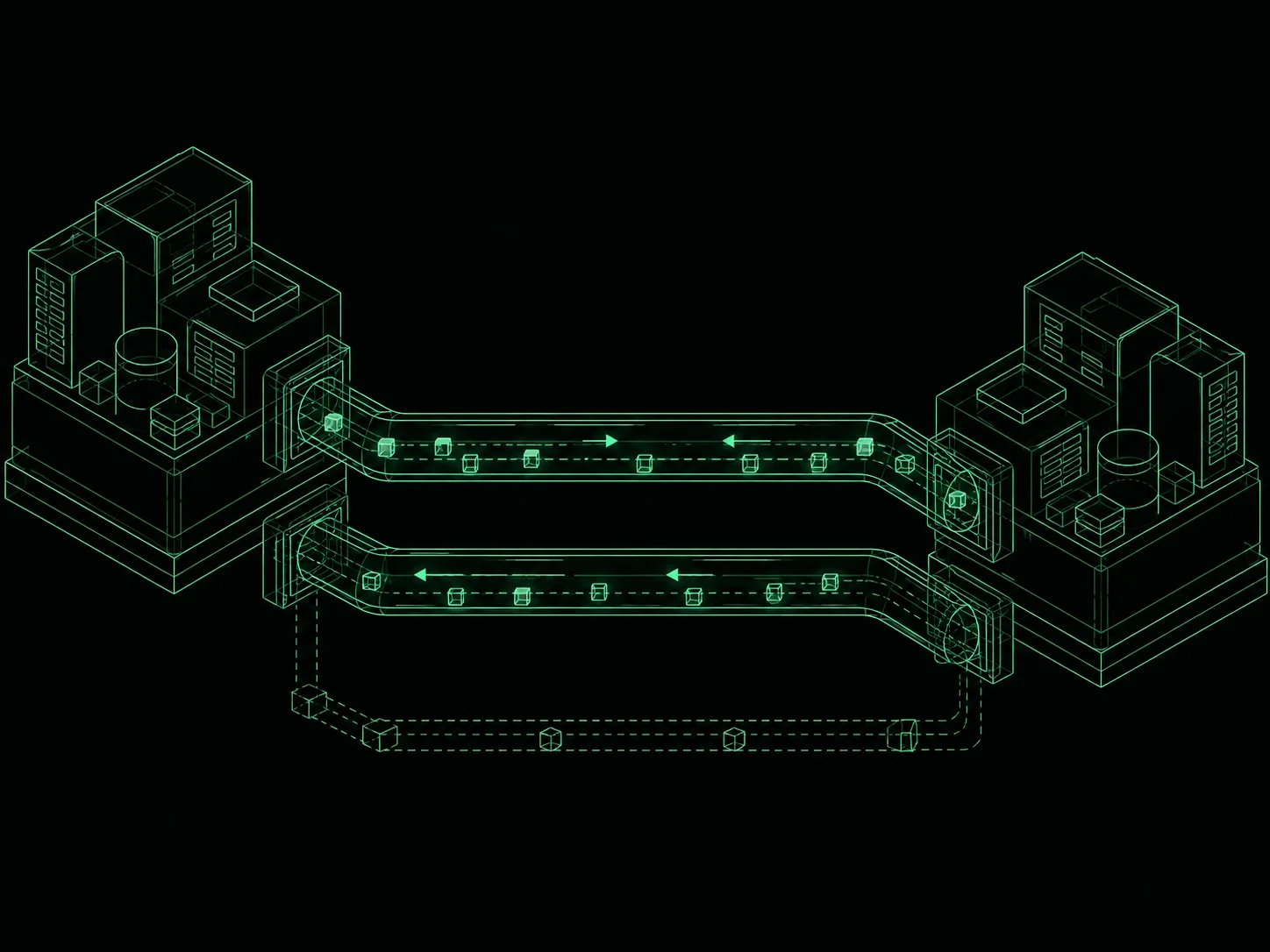
Public apps for distribution, private apps for a single merchant — the engineering discipline is the same.
Public Shopify App
A public app letting customers enter a three-word address at checkout, with auto-suggest — built to work across different Shopify plans, themes, and regions, and reducing failed deliveries for the merchants using it.
How it’s priced
App development is a different shape of work from conversion projects — different scope, different timeline, and an ongoing maintenance relationship rather than a finish line.
Related services
FAQ
Both. Public apps are distributed through the Shopify App Store and have to work across every merchant setup; private apps serve one store and can make far more assumptions. We’ve shipped public apps for what3words and Voyado.
Sometimes, and it depends on the state of the code and how it handles Shopify’s API. We’d review it before agreeing rather than commit and discover — inheriting an app built on unsafe assumptions is worse for both of us.
It depends mainly on the integration surface rather than screen count. Data sync and checkout integration carry more edge cases than admin interfaces, and edge cases are what the timeline is really made of.
Only if someone maintains it, which is why maintenance is agreed openly rather than assumed. Shopify deprecates API versions on a schedule, and an unmaintained app eventually breaks — that isn’t a risk, it’s a certainty.
Sometimes, yes. Where a store pays significant monthly fees for an app that does one thing, a private build occasionally pays for itself — and removes the page weight. We’ll do that arithmetic honestly, including when the answer is to keep paying.